








Marcelo Camargo/Agência Brasil O abono das faltas será concedido mediante comunicação do responsável legal, sem
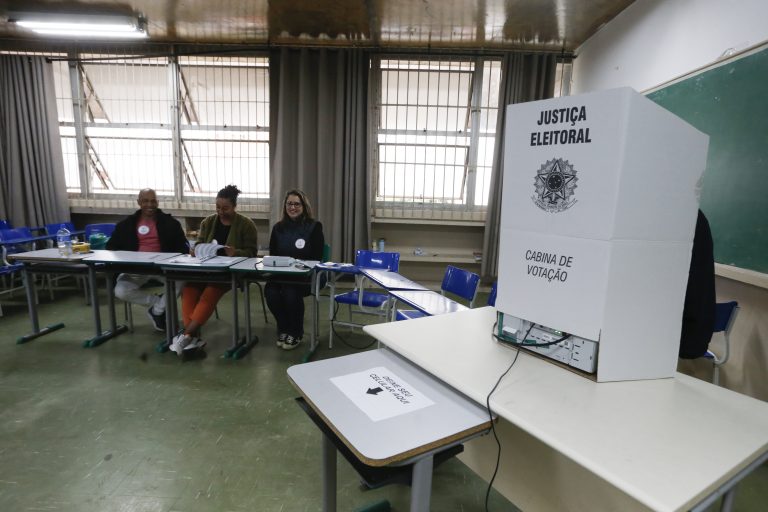
Eleitor pode apresentar qualquer documento com foto para votar Neste 4 de outubro, os mais
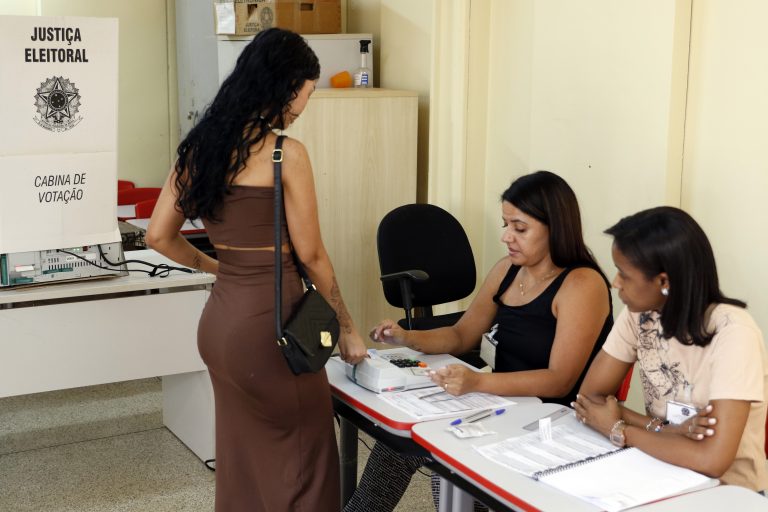
Bruno Peres/Agência Brasil O eleitor que levar celular terá que deixá-lo com os fiscais da

Fabio Rodrigues-Pozzebom/Agência Brasil Proposta autoriza o desconto de gastos com material didático, mensalidades escolares e
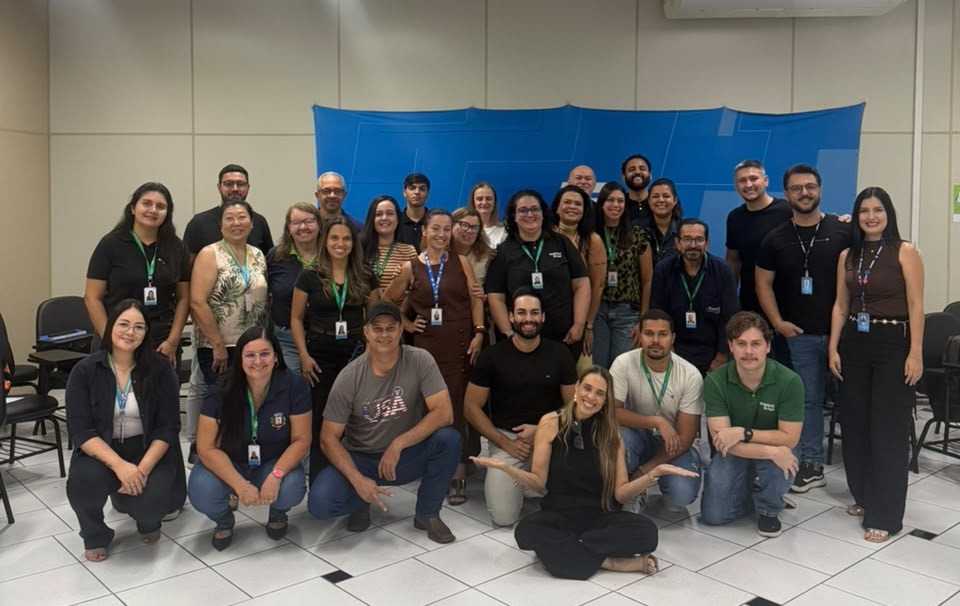
Os participantes foram divididos em grupos para atividades de interação com exercícios sobre convivência, resolução

Com 87,75 pontos, Ednaldo José da Silva, da Laginha, conquistou o primeiro lugar. Na sequência
A White Cube, empresa do Grupo Think focada em tecnologias de inteligência para as organizações, está lançando no mercado o White Conductor, plataforma de IA Generativa corporativa desenvolvida para empresas que desejam ampliar o uso de Inteligência Artificial com segurança, controle e governança. O objetivo é transformar o uso disperso de IA dentro da empresa em capacidade corporativa, de modo a trazer resultados organizacionais sem abrir mão da liberdade de acessar os diferentes modelos disponíveis no mercado. “A IA já está dentro das empresas e faz parte da rotina dos funcionários. Mas o verdadeiro valor dessa tecnologia surge quando ela deixa de ser uma ferramenta isolada de produtividade individual e passa a gerar impacto real na operação, nas decisões e no resultado do negócio”, afirma Alexandre Azevedo, CEO da White Cube. “A proposta do White Conductor é atuar como hub corporativo de IA voltado à produtividade e eficiência da organização”, acrescenta. A plataforma conecta a empresa – e seus funcionários – aos principais modelos de IA Generativa do mercado, com destaque para o Claude, da Anthropic, o ChatGPT, da OpenAI, e o Gemini, do Google. Por um valor mensal, as empresas podem acessar qualquer um desses modelos, ou outras ferramentas de IA, básicas ou mais avançadas, sem necessidade de contratos específicos com cada fornecedor. “A principal vantagem é que esse acesso ocorre em ambiente corporativo seguro e controlado, com governança, curadoria inteligente e gestão de custos. Além de replicar a produtividade individual no âmbito corporativo, o White Conductor reduz os riscos de exposição de informações sensíveis da empresa e de Shadow AI”, ressalta Azevedo. Outra vantagem da plataforma está na disponibilidade das versões atualizadas dos modelos e ferramentas de IA – a White Cube realiza todas as atualizações e disponibiliza para os clientes. Estas são as principais funcionalidades do White Conductor:

Executivo reúne mais de duas décadas de experiência empresarial, formação internacional e produção intelectual para discutir como líderes podem combinar dados, tecnologia e

A aproximação entre profissionais dos mercados de leilões do Brasil e da Argentina começa a ultrapassar as relações comerciais e tecnológicas. O intercâmbio

Avaliação comportamental realizada por meio da solução de telemetria móvel SafePilot, da AIOTI, acompanhou 692 motoristas em 137 mil viagens ao longo de

Com a proposta de estabelecer diretrizes mínimas para uma API padronizada de intercâmbio de dados de medição e faturamento de energia do parque

Empresa brasileira desenvolveu plataforma própria para integrar treinamentos, certificados, vencimentos e evidências em uma operação voltada às particularidades da Segurança e Saúde no

Dados de uma base com mais de 300 mil treinamentos por ano mostram que trabalhadores em empresas que operam universidade corporativa em SST

Katia Albany dava aulas de NR-10 quando percebeu que o treinamento obrigatório de segurança, um mercado que toda empresa brasileira é obrigada a

Evento realizado em São Paulo reuniu autoridades, empresários, executivos e representantes de diferentes setores para promover conhecimento, conexões estratégicas e novas oportunidades de
Há organizações que vivem em permanente estado de implantação. Novo sistema. Novo processo. Nova metodologia. Nova estrutura. Tudo parece estar sempre a caminho

Empresários e participantes celebram a 4ª edição do Conexão Empresarial, realizada em 24 de setembro de 2026, em Tietê (SP). O encontro reuniu
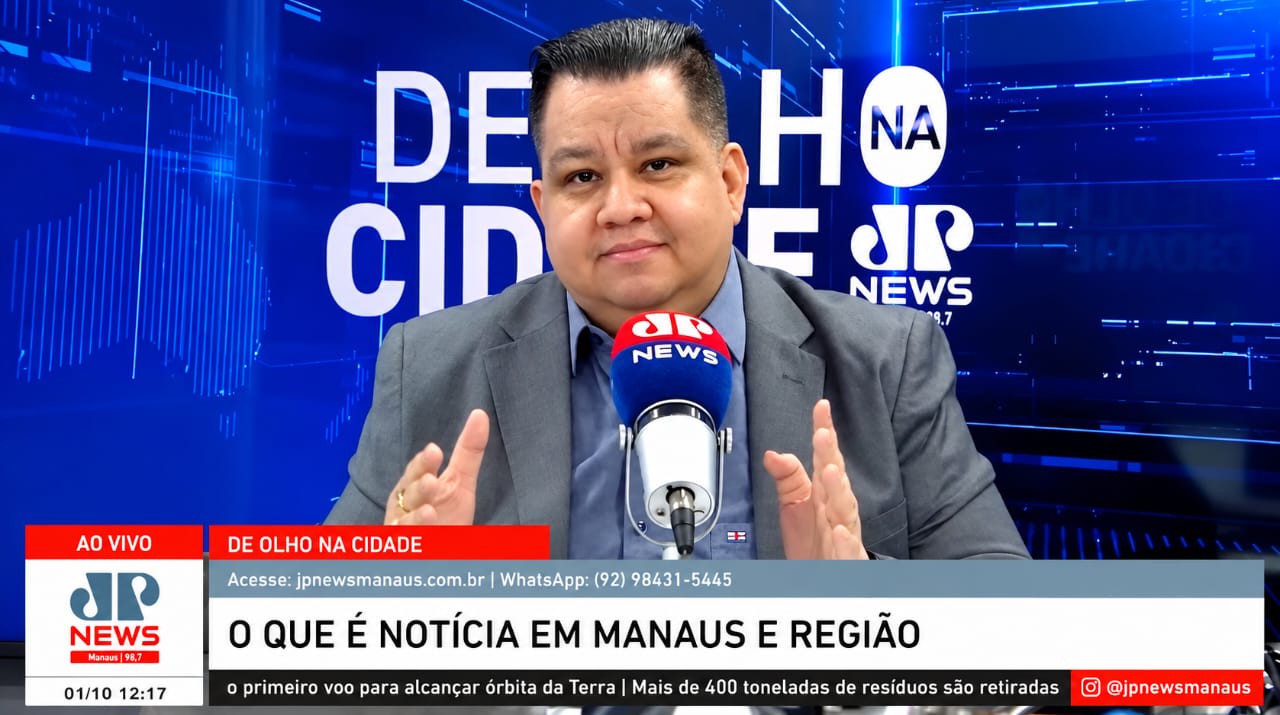
Jornalista apontou previamente 20 dos 24 deputados estaduais e seis dos oito federais eleitos, além de cravar Eduardo Braga e Plínio Valério para

O Paintless Dent Repair (PDR), conhecido no Brasil como Martelinho de Ouro, conquistou espaço no mercado automotivo e se tornou um serviço conhecido

Durante alguns anos, bastava observar homens saindo de diferentes barbearias para perceber um padrão. Laterais muito baixas, degradê marcado, topo curto ou texturizado

Durante alguns anos, bastava observar homens saindo de diferentes barbearias para perceber um padrão. Laterais muito baixas, degradê marcado, topo curto ou texturizado

Uma ação atribuída às campanhas de Jackson Vilar, candidato a deputado estadual, e de sua filha, candidata a deputada federal, chamou atenção durante

Reclamar é um hábito mais comum do que imaginamos. Isso pode acontecer ao longo do dia e em diversas situações. Quem nunca reclamou

Os 2 MAIORES FUROS da série ZELDA que o Remake de Ocarina of Time pode consertar 9:30 Com a confirmação de que o
Marcelo Camargo/Agência Brasil O abono das faltas será concedido mediante comunicação do responsável legal, sem precisar de atestado médico O Projeto de Lei

Com sede em Uberlândia, escritório atua em todo o Brasil desde 2022 e reúne experiência em diferentes áreas do Direito. Em entrevista, Edilson

Ex-prefeito de Breves por dois mandatos e ex-deputado estadual, empresário natural do Marajó tem trajetória ligada à política paraense e aborda questões como